
Maybe you’ve tried therapy before. You told the story of what’s happening with great self-awareness, only to be told a bunch of things you already know about why you do the things you do. And none of that self-awareness has helped you actually make the change.
Your challenge isn’t due to a lack of knowledge or self-awareness or insight. It’s finding someone you can trust enough to guide you through a process of letting go of what used to be helpful but now is causing you harm.
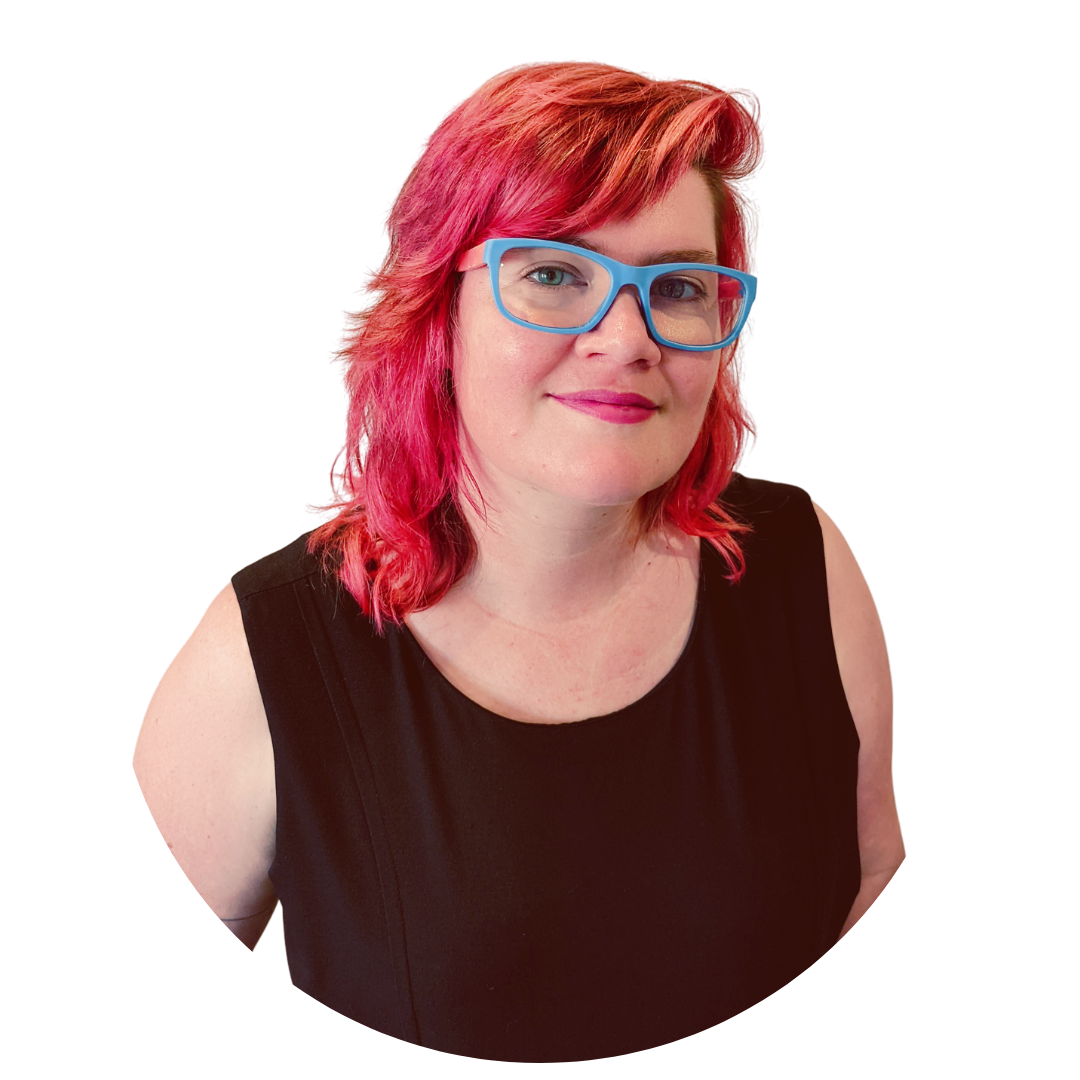
Hi, I’m Amanda (she/her). I spent a decade redesigning public health systems, and I still get curious about how things fit together to create experiences and how we could shape them differently. I love learning new things and always have a stack of half-read books on the go. I went to an academically selective high school, which meant I got very good at taking responsibility for my own development, and very bad at knowing when I was taking too much on. I worked multiple jobs to the point of exhaustion, running on fumes as I continued to be as helpful as possible, always putting others needs ahead of my own.
Now I work with people (mostly women) who value being independent and reliable but feel deeply exhausted in ways that are hard to explain and can’t be sustained. You’re not broken, and you don’t need to be ‘fixed’. You just need things to be different in a meaningful way.
I came to this work through my own experience of having it all together until I didn’t. I pushed past my limits until my body intervened with strange symptoms anytime my stress levels spiked. Therapy became a space for me to tune in to the early signals of strain I’d spent decades tuning out, and reshaping my relationship with myself. I’m not going to tell you that it changed my life in just six sessions, but I will tell you that it opened me up to new possibilities and ways of being that don’t require me to act like a sledgehammer.
Master of Therapeutic Arts Practice at MIECAT
Master of Strategic Foresight at Swinbourne University
Sessional Academic at MIECAT
Industry Fellow at Monash Business School
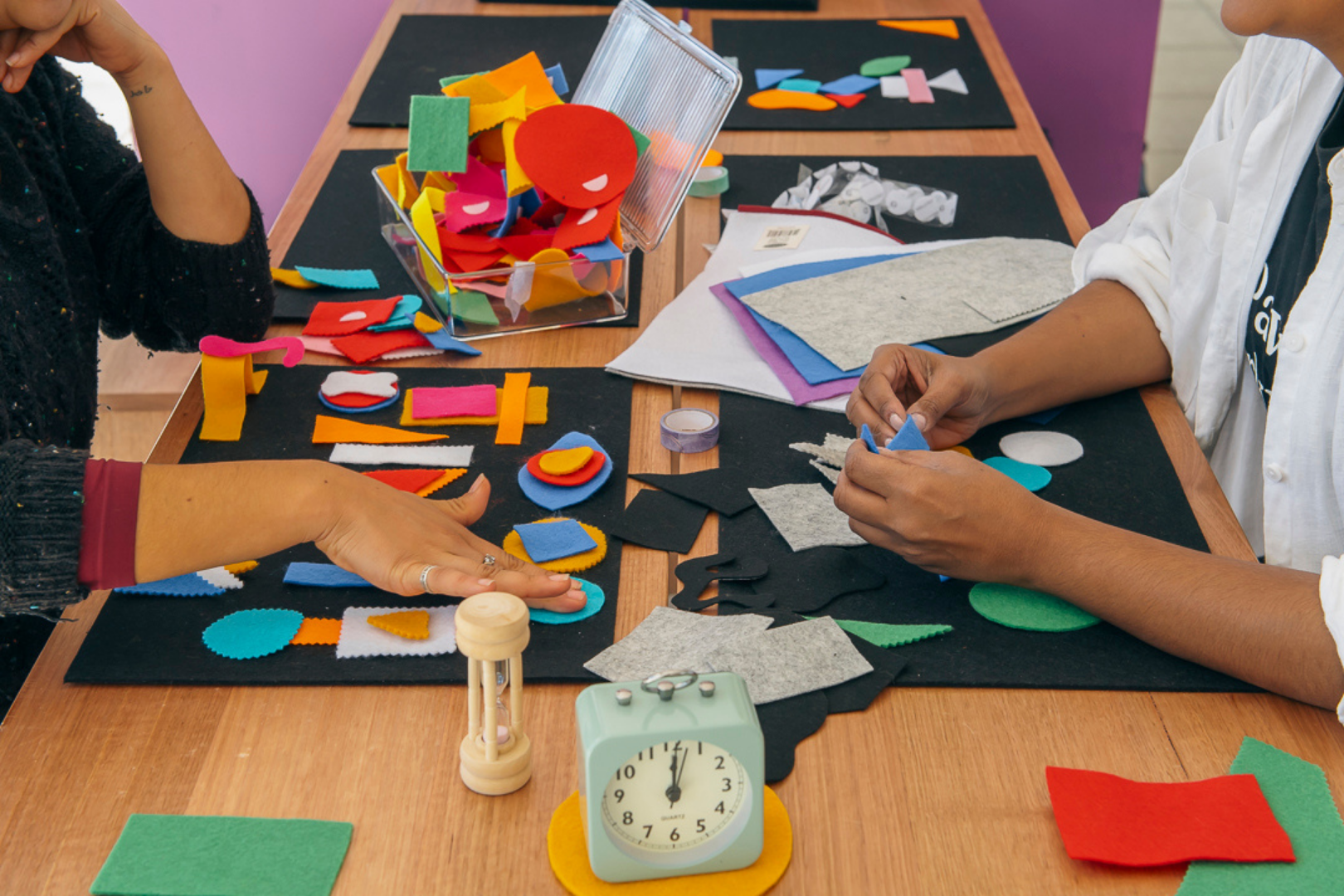
Felt Time (2025), MPavilion Parkville, University of Melbourne. Photo by Gregory Lorenzutti
What is art therapy?
Art therapy is an evidence-based approach that uses creativity to enhance health and wellbeing.
Instead of just talking, we use the artmaking process to express your experiences, better understand yourself, and explore what matters most to you.
‘Art’ is a broad umbrella. It can include:
painting
drawing
sculpting
crafting
making sounds with our voices, bodies, or instruments
writing poetry
moving our bodies…
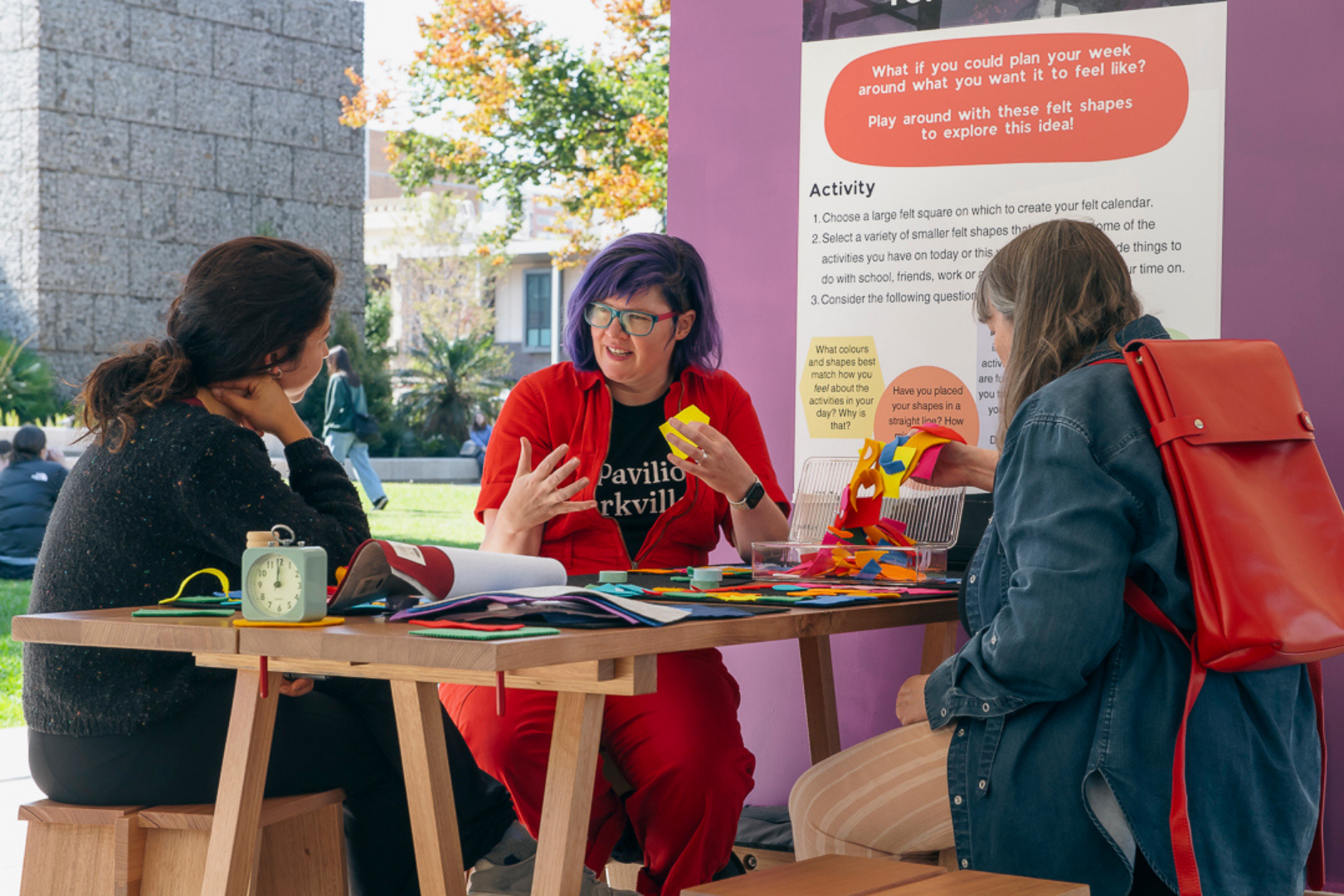
Felt Time (2025), MPavilion Parkville, University of Melbourne. Photo by Gregory Lorenzutti
How art can help
Art therapy is particularly effective for exploring experiences that you might find hard to talk about, or you may not yet have found the words to explain.
Art therapy can support you to:
reduce stress and anxiety
grow-self-esteem and self-trust
navigate tricky relationships
explore challenging emotions
nurture self-compassion.
You do not need to see yourself as an artist to benefit from art therapy.
In art therapy, instead of trying to ‘do it right’ or deciding if what me make is ‘good art’, we focus on the creative process.
I am not silently judging the merits of your artworks.
I promise.